Compact electric scooters for errands: what makes them practical
What practicality means on an errand
A compact electric scooter is not just a smaller version of a larger mobility device. For daily errands, practicality is the result of several everyday details working together: getting through doorways, turning in tight aisles, carrying what you need, and fitting into the places you already use. A scooter can feel easy in a showroom and still be awkward outside if it is hard to lift, slow to fold, or too wide for a shop entrance.
The useful question is not simply whether the scooter moves well. It is whether it fits the pattern of a normal day. That pattern might include a short trip along a pavement, a ramp into a pharmacy, a queue at a counter, a lift, a car boot, and a narrow hall at home. The best match is usually the one that makes those transitions feel predictable rather than dramatic.
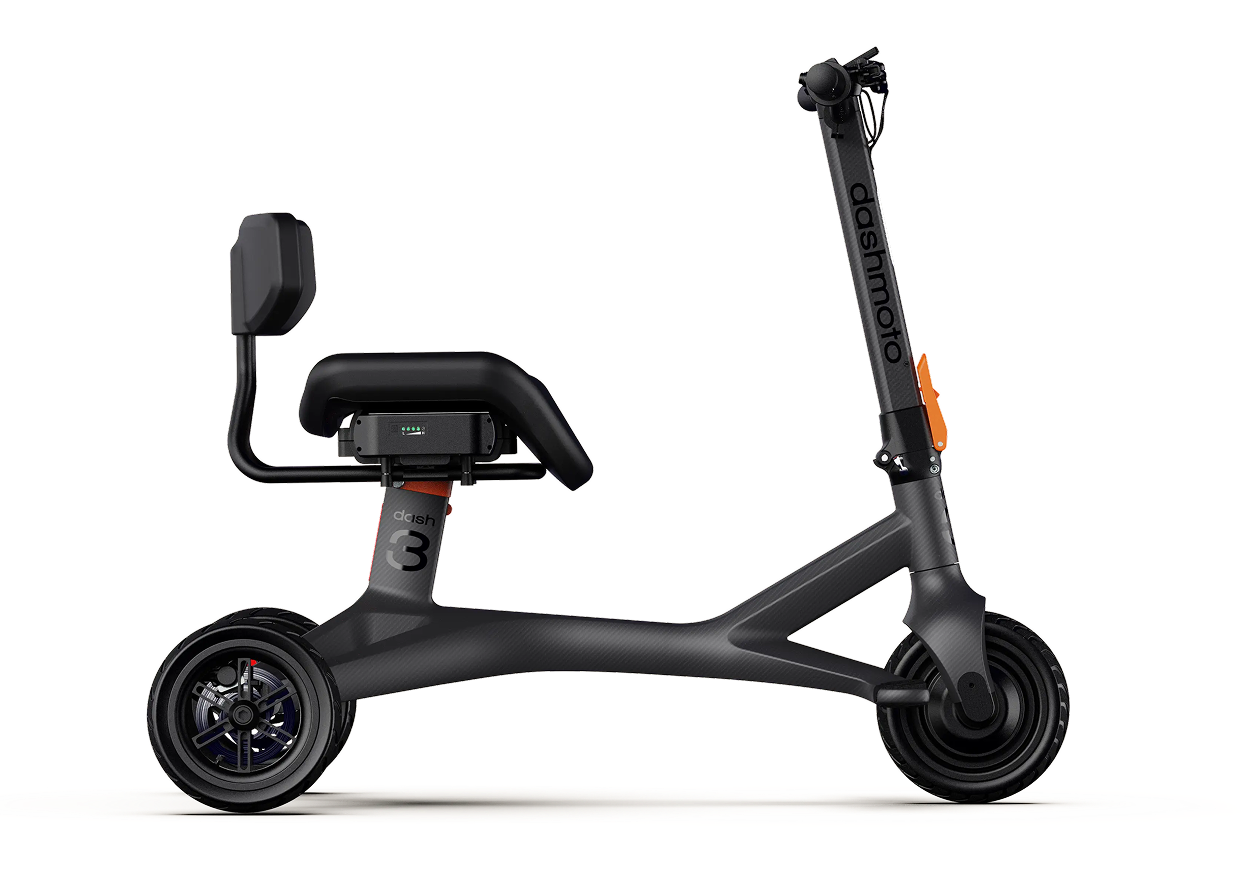
Size matters, but it is only part of the picture. A lightweight foldable electric mobility scooter such as those described by dashmoto is built around portable everyday transportation and independent movement. That focus shifts attention from raw power to the features that make short trips manageable: manageable weight, a useful folding mechanism, comfortable seating, and enough battery range for the journey in hand.
Portability starts before the ride
For many people, the hardest part of using a mobility scooter is not riding it. It is getting it into a car, through the house, or into storage. A scooter that folds neatly and can be moved in pieces is often more practical than one with a larger frame and a longer range. Daily errands tend to be short, and a device that is easy to transport may be used more often than one that demands planning.
Lifting weight deserves careful attention. The figure quoted for a scooter may refer to the heaviest single part, not the total weight of every component. That distinction matters. A battery pack, frame, and seat that separate cleanly can make loading easier, but each part still needs to be manageable for the person doing the lifting. If lifting is difficult, the scooter may be practical only when someone else is always available, which limits independence.
A vehicle boot is another real-world test. Some boots are wide but shallow. Others are tall but have a high lip. A folded scooter needs to fit with the boot open, and it needs to come back out without scraping paint or catching on the edge. The shape of the folded unit is as relevant as its listed dimensions. A long, low package may slide in more easily than a short, bulky one, even if both are described as compact.
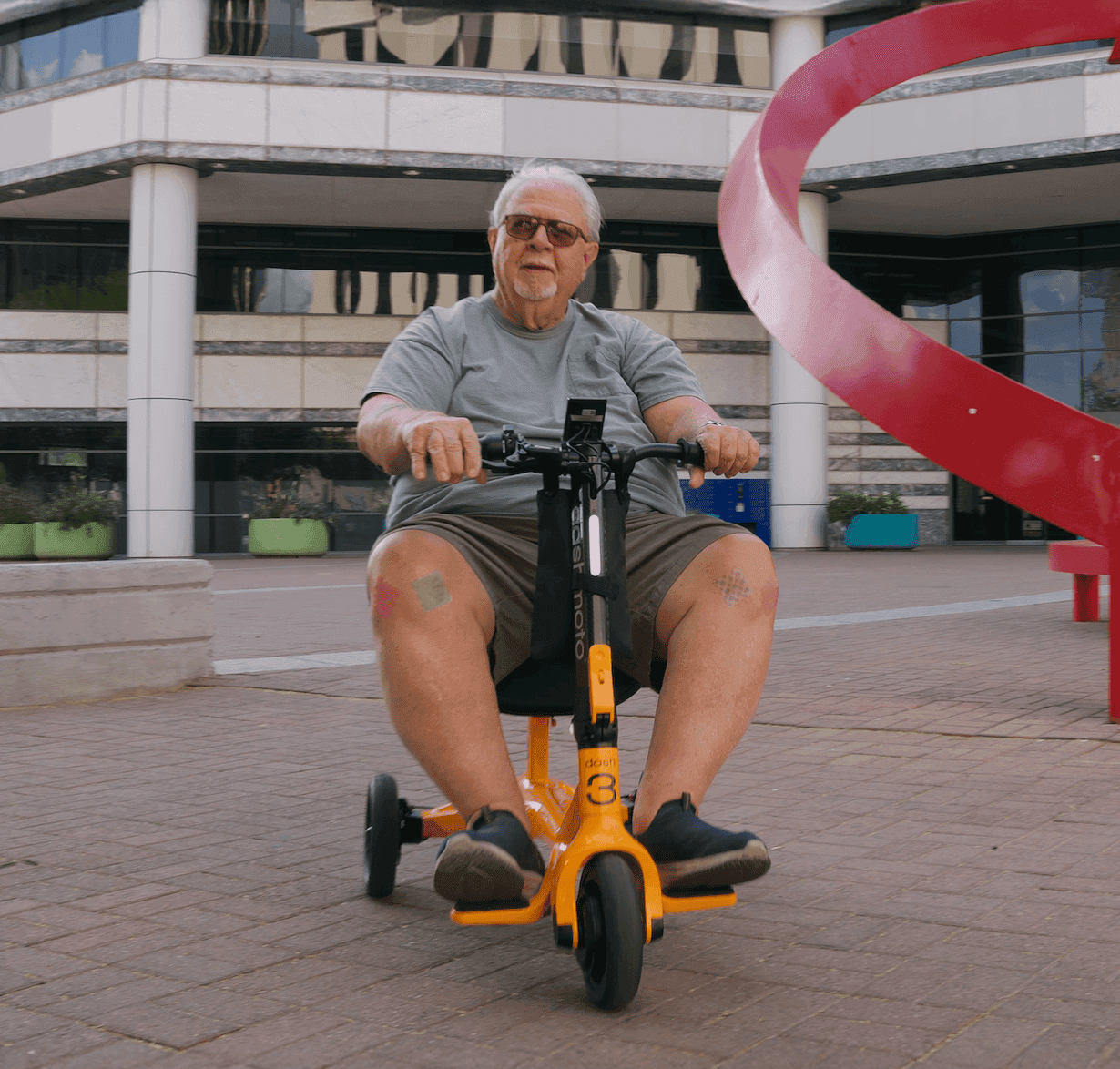
The folding mechanism should also suit the person using it. A latch that is stiff, small, or awkward can turn a simple errand into a struggle. Good design reduces the number of separate actions and keeps pinch points clear. It also makes the scooter feel stable while it is being unfolded, rather than as if parts might drop or twist unexpectedly.
Manoeuvring where people actually go
Errands rarely happen in open space. Shop aisles, pavements, lift doors, kerbs, and waiting areas all create tight turns. A smaller turning radius helps when the scooter needs to change direction in a limited area. This is especially useful indoors, where a full size mobility scooter may require a wide arc and constant repositioning.
Width matters too. A scooter needs to pass through doorways without demanding perfect alignment. It also needs to leave enough room for other people to pass where possible. A practical compact model gives the rider a sense of control at slow speeds, because slow speeds are where most errands happen. Smooth steering, predictable braking, and a seat position that allows a clear view ahead all contribute to that feeling.
Pavement access brings another set of considerations. Small wheels can handle smooth surfaces well, but raised edges, uneven slabs, and steep ramps can feel different. The aim is not to treat every scooter as suitable for every surface. It is to match the scooter to the routes likely to be used. A person mainly visiting nearby shops has different needs from someone regularly crossing large car parks or dealing with cambers and broken paving.
Seat height plays a quiet but important role here. A seat that allows the feet to rest securely and the hands to reach the controls without tension makes short trips more comfortable. It also affects transfers. If getting on and off the scooter is hard at home, the scooter may not help much during the errand itself. Armrests, foot space, and the height of the seat edge all shape how easy that transfer feels.
Range, battery habits, and the shape of a trip
Battery range is often treated as the headline feature, yet for daily errands it is only useful when it matches real habits. A scooter with a modest range can still be practical if trips are short and charging is simple. A longer range may add weight or size, which can cancel out the benefit for someone who needs to lift and fold the scooter often.
It helps to think in terms of the whole outing, not just the distance from home to shop. There may be a route to the car, a drive, time spent moving around a store, and a return journey. Cold weather, hills, rough surfaces, and carrying extra weight can also affect how far a battery lasts. Rather than planning every trip to the limit, a practical setup leaves room for delays and changes.
Charging habits matter as much as capacity. A scooter that is stored where charging is easy is more likely to be ready for the next trip. Cables and plugs should be handled carefully, and any damaged lead, unusual heating, or charging problem should be treated as a job for a qualified professional. The scooter should not be used with a faulty charging setup, and repairs involving electrical parts should not be attempted by an untrained person.
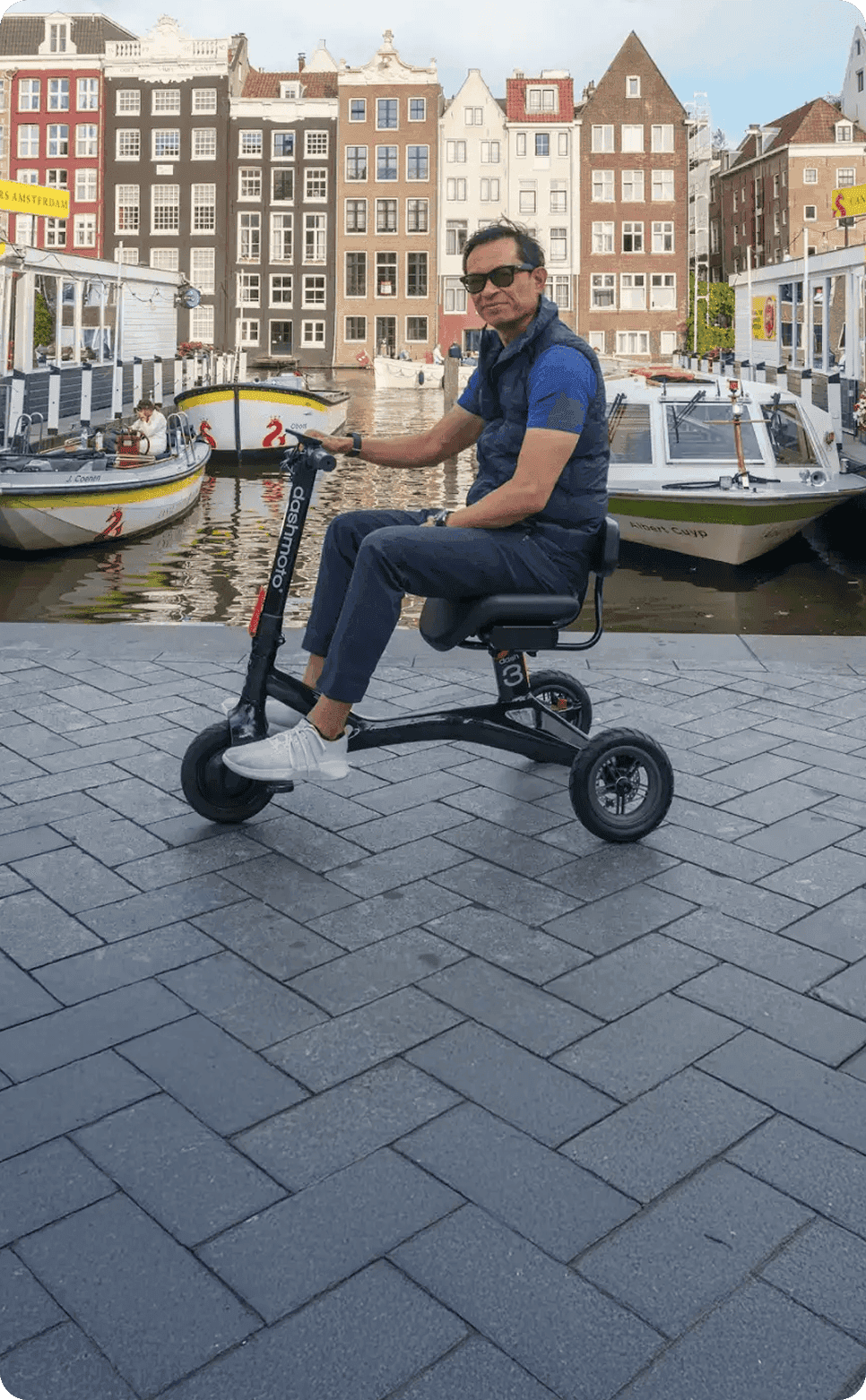
Battery care is mostly about routine. Keep connectors clean and dry, follow the supplied charging guidance, and avoid leaving the battery in conditions that are unsuitable for it. When range begins to fall noticeably, it may be a sign of normal wear or a fault. A qualified professional can assess the issue, especially if the battery appears swollen, hot, or damaged.
Carrying errands without making the scooter bulky
A mobility scooter used for errands needs somewhere to put things. A shopping basket can make the difference between a useful trip and a balancing act. Items carried on the lap can slip, block movement, or interfere with the controls. A basket fixed to the front or rear keeps hands free and helps the rider stay focused on steering and braking.
The size of the basket should be judged in a practical way. A small basket may hold a prescription, a phone, and a few essentials, while a larger one may be needed for groceries. At the same time, a large basket can add width and encourage overloading. Practicality comes from carrying what is needed without changing the scooter into something harder to steer or store.
Secure attachment is important. A basket that swings, rattles, or shifts when the scooter turns can be distracting. It should sit clear of the wheels and controls, and it should not hide lights or reflectors where fitted. If a basket or accessory is loose, it should be adjusted or replaced rather than tied in a way that could catch in moving parts.
Comfort over short, repeated trips
Daily errands are often brief, but repeated discomfort adds up. A compact electric scooter needs a seat that supports the rider without forcing an upright, strained posture. Foot placement should feel stable, and the controls should be reachable without leaning. The ride does not need to feel like a long distance tour, but it should feel calm enough for a queue, a lift, and a walkway shared with other people.
Suspension and tyre choice can affect how rough surfaces feel. Some scooters prioritise low weight, while others add features that smooth out uneven ground. That is a trade-off. Extra comfort features may add mass, and extra lightness may mean less forgiveness on rough paving. The right balance depends on where the scooter will be used and how much the rider values easy transport over a softer ride.
Speed settings also shape practicality. In busy places, lower speed often feels more controlled. The ability to move steadily without lurching is more useful than outright pace. Good brakes should feel predictable, not grabby, and the scooter should stop straight when used on a gentle slope or a busy pavement. If braking feels uneven or the scooter pulls to one side, it should be checked by a qualified professional before further use.
Fitting the scooter to the day
A practical scooter is one that removes friction from ordinary tasks. Before choosing, picture the places it will go and the actions around the ride. Will it need to be lifted? Will it pass through the front door? Can it turn in the hallway? Will it fit the car boot? Does the basket hold the items usually carried? These questions reveal more than a list of specifications alone.
For some riders, the priority is portability above all else. For others, a little extra size is worth it for a steadier ride or more storage. Neither choice is universally right. Daily errands reward a scooter that matches a specific routine, because the same small obstacles appear again and again. When the scooter handles those obstacles without fuss, it becomes easier to treat the outing as a normal part of life rather than a task to plan around.
dashmoto sits within this broader idea of portable everyday transportation, where independent movement depends on more than distance alone. A compact electric scooter earns its place when it can be taken, folded, stored, steered, and parked with confidence. Those quiet practical details are what turn a mobility aid into a useful part of the day.